
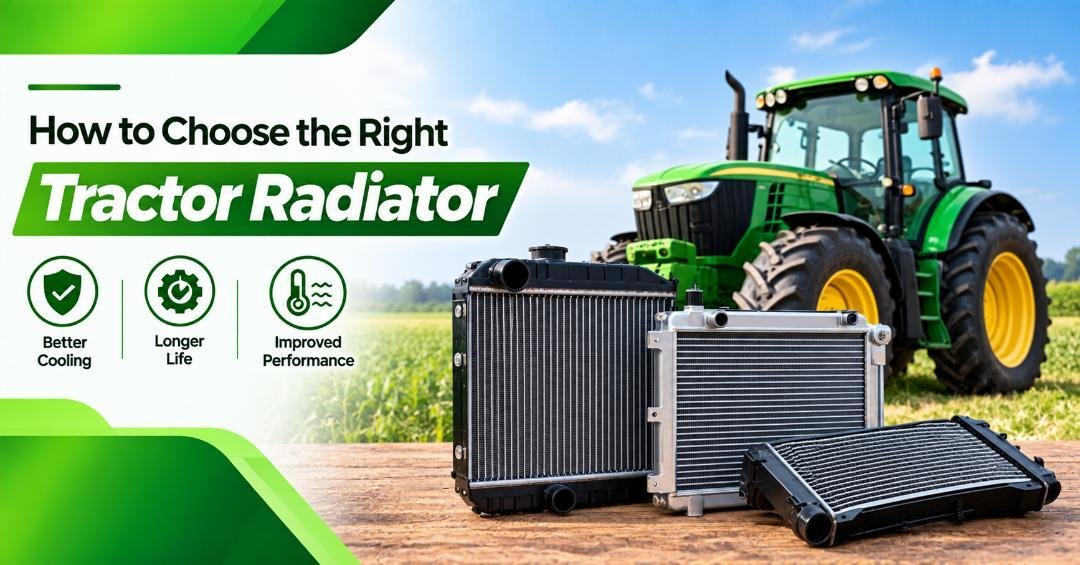
Learn how to choose the right tractor radiator by checking compatibility, size, material, build quality, cooling require...
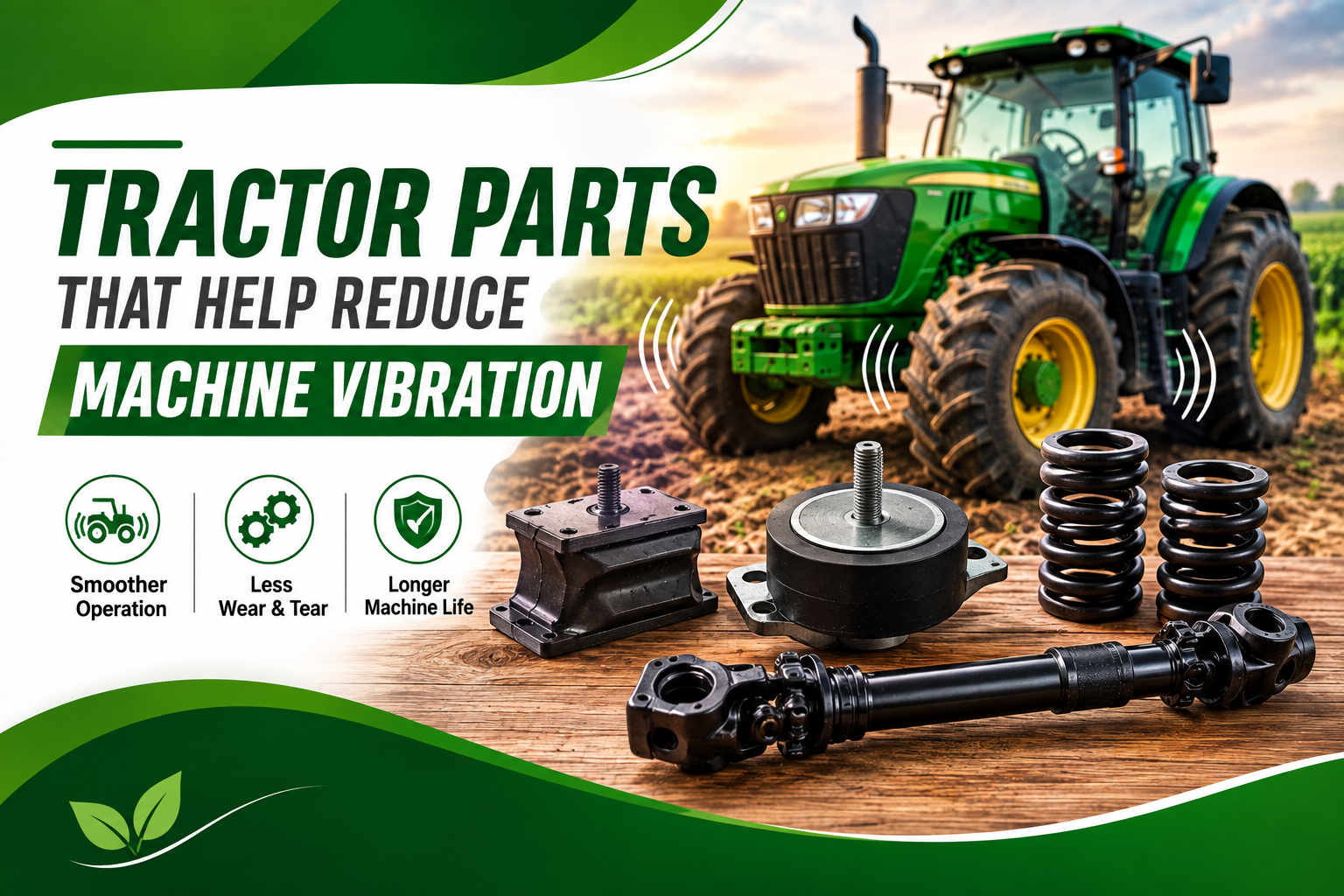
Tractors regularly work on uneven fields, rough roads, and challenging agricultural conditions. Some vibration is normal during operation, especially when a tractor is working with heavy implements or travelling over uneven ground. However, excessive or unusual vibration should never be ignored. It can make the tractor uncomfortable to operate, reduce work efficiency, and indicate that one or more important components are worn or damaged.
Machine vibration often develops gradually. A farmer may first notice a small shaking in the steering wheel, seat, engine area, or attached implement. Over time, the vibration may become stronger and affect the tractor's performance. If the cause is not identified early, continued vibration can place additional stress on other components and lead to expensive repairs.
Several tractor parts work together to reduce vibration and maintain smooth operation. Regular inspection and timely replacement of worn components can help improve stability, protect the machine, and provide a better working experience for the operator.
Vibration is created when rotating, moving, or connected components do not operate smoothly. While some vibration is expected in agricultural machinery, excessive vibration can indicate a mechanical problem.
Continuous vibration may lead to:
In severe cases, vibration can affect steering, transmission, engine performance, and attachment operation.
Identifying the source early helps prevent the problem from becoming more serious.
The engine produces continuous movement and vibration while operating. Engine mounts are designed to secure the engine and absorb some of this movement.
When engine mounts become worn, cracked, or damaged, vibration may transfer more directly to the tractor frame.
Common signs of damaged engine mounts include:
Replacing worn engine mounts can help reduce unwanted vibration and protect the surrounding components.
Bearings are used in many tractor systems to support rotating parts and reduce friction.
When bearings become worn or damaged, they may create:
Worn bearings can affect wheels, shafts, pulleys, transmission components, and other rotating systems.
Using properly fitted and durable bearings helps maintain smoother movement and reduces unnecessary vibration.
Bushes are commonly used in suspension, steering, linkage, and attachment systems.
They help reduce unwanted movement between connected components.
When bushes become worn, excessive play may develop in the joint. This can cause shaking, noise, and unstable movement.
Replacing worn bushes helps restore proper alignment and reduces vibration in moving parts.
Tyres are another major source of vibration.
Uneven tyre wear, incorrect pressure, damaged sidewalls, or unbalanced wheels can cause the tractor to shake while moving.
Common causes include:
Regularly checking tyres and maintaining the correct pressure can significantly improve ride quality and stability.
For tractors used on rough terrain, durable agricultural tyres are especially important.
The steering system plays an important role in maintaining control and stability.
Worn steering components may cause vibration in the steering wheel, especially when travelling on uneven surfaces.
Parts that may require inspection include:
If the steering system has excessive play, it should be inspected promptly.
Replacing worn steering components helps improve control and reduce unwanted movement.
The clutch and transmission are responsible for transferring power from the engine to the wheels.
Worn clutch plates, pressure plates, bearings, or transmission components may create vibration during:
A vibrating clutch may also indicate uneven wear or contamination.
Proper inspection helps identify the damaged component and prevents further drivetrain problems.
The Power Take-Off system transfers power to various implements.
Because PTO components rotate at high speed, imbalance or wear can create significant vibration.
Common causes include:
PTO vibration should never be ignored because it can damage both the tractor and the attached implement.
Regular inspection and proper maintenance help ensure smooth power transfer.
Hydraulic systems may also create vibration when components do not operate smoothly.
A damaged hydraulic pump, restricted filter, or air in the hydraulic system can cause irregular pressure and movement.
This may result in:
Checking hydraulic oil levels, filters, pumps, and hoses can help identify the source of the problem.
Belts and pulleys rotate continuously during engine operation.
If a belt becomes worn, loose, cracked, or misaligned, it may create vibration and noise.
Similarly, a damaged or unbalanced pulley can affect the entire system.
Regular inspection of belts and pulleys helps prevent vibration-related failures.
Not all vibration problems are caused by damaged parts. Loose bolts and connections can also create significant shaking.
Continuous tractor operation causes vibration, which may gradually loosen:
Regularly checking and tightening important connections can help reduce unnecessary vibration.
Sometimes the tractor is working properly, but the attached implement is causing vibration.
Unbalanced blades, damaged shafts, worn bearings, or loose components in the implement may transfer vibration to the tractor.
Farmers should inspect both the tractor and the attachment when unusual vibration occurs.
Checking the complete equipment combination helps identify the actual cause.
Vibration can quickly damage low-quality components. Parts that are not properly manufactured or fitted may become worn faster and create additional problems.
Reliable spare parts from Gropart are designed to support the demands of agricultural machinery and help maintain dependable performance.
Quality bearings, bushes, engine mounts, steering parts, PTO components, and other replacement parts can help reduce excessive movement and improve machine stability.
Choosing reliable parts also reduces the risk of repeated repairs.
Preventive maintenance is one of the best ways to control tractor vibration.
Farmers should regularly:
Early inspection allows worn parts to be replaced before they cause additional damage.
Any new or unusual vibration should be investigated.
The longer a tractor operates with excessive vibration, the more stress it may place on surrounding components.
Early attention can prevent:
Even a small vibration can be an early warning sign of a developing problem.
Tractor vibration can be caused by many different components, including worn bearings, damaged bushes, engine mounts, tyres, steering parts, clutch components, transmission parts, PTO shafts, belts, and hydraulic systems. Identifying the source early is important for maintaining safe and efficient machine operation.
Regular inspections and timely replacement of worn components help reduce excessive vibration and protect the tractor from additional damage. Proper maintenance also improves operator comfort and supports better long-term performance.
By choosing properly fitted and quality tractor spare parts from Gropart, farmers can reduce unnecessary vibration, improve machine stability, and extend the service life of important components. A smoother-running tractor is not only more comfortable to operate but also more reliable and efficient during demanding agricultural work.
शेयर करें:
Learn how to choose the right tractor radiator by checking compatibility, size, material, build quality, cooling require...
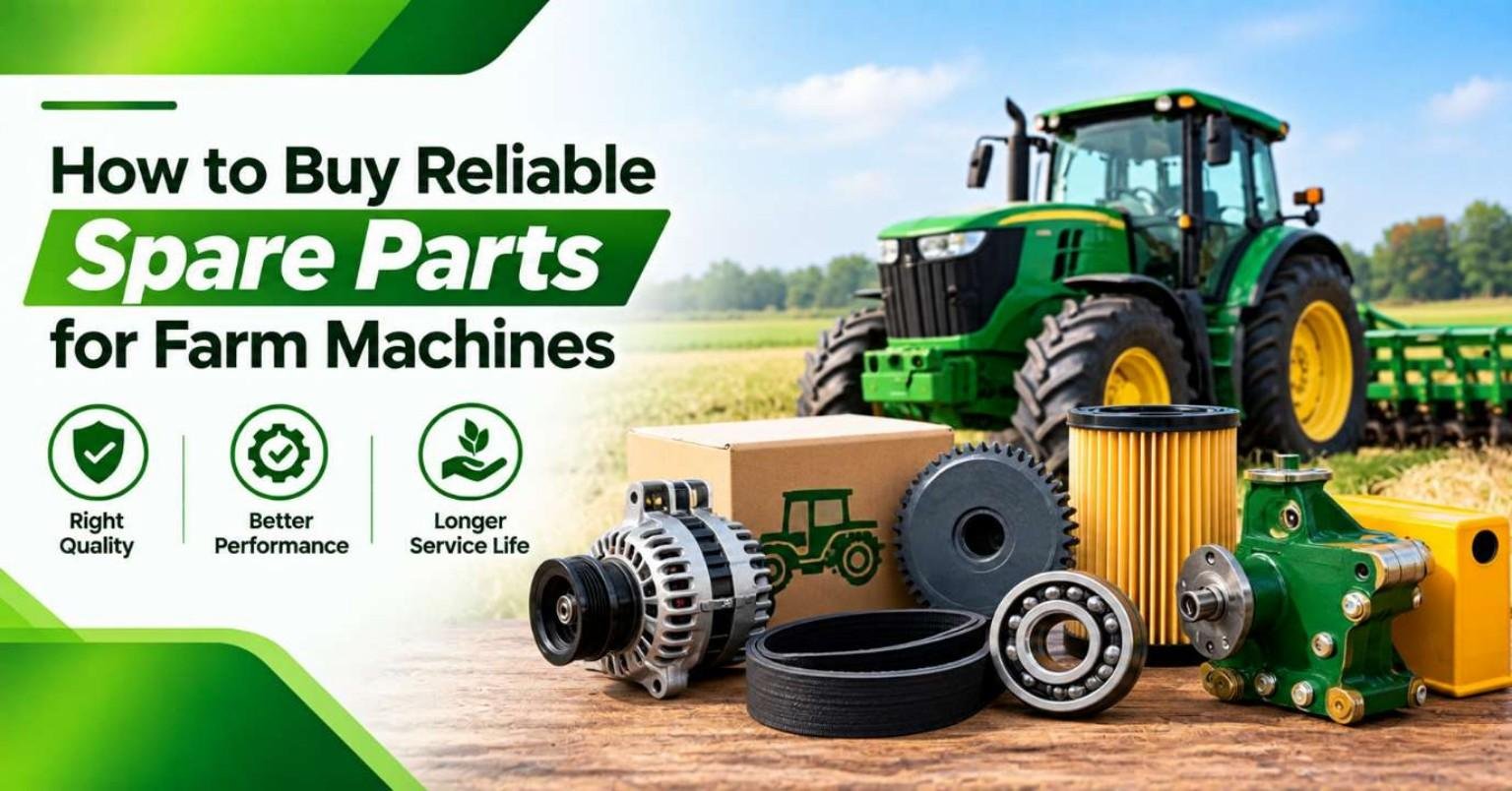
Learn how to buy reliable farm machinery spare parts by checking machine models, part numbers, dimensions, quality, fitm...
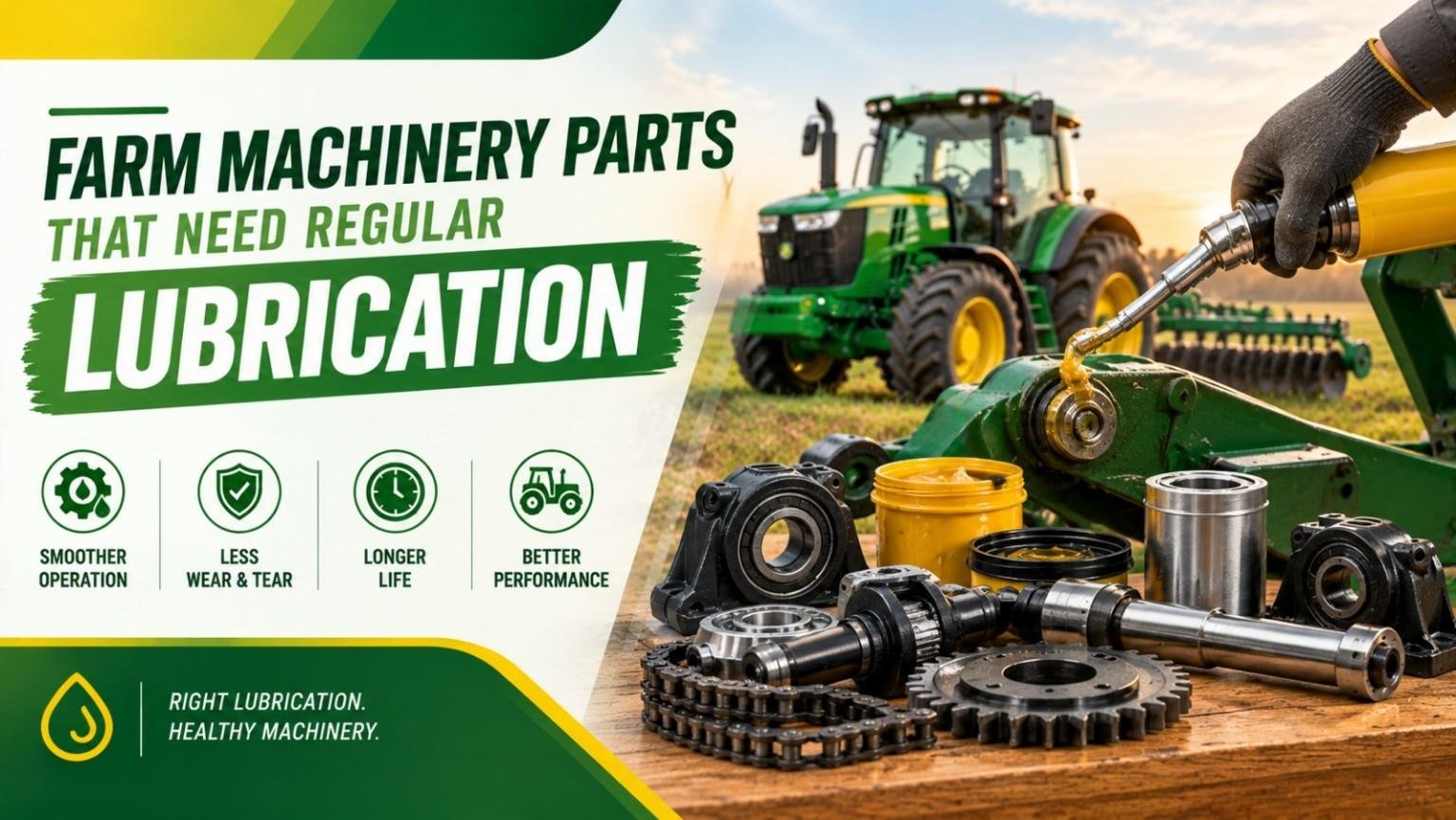
Learn which farm machinery parts need regular lubrication, including tractor bearings, PTO components, bushes, pins, cha...
Learn how to choose quality thresher belts by checking size, profile, construction, load, heat resistance, compatibility...